A Wedding Invitation, Read Before You Choose an Outfit
Use a wedding invitation’s dress code, venue and timing to choose an outfit that suits the occasion, feels comfortable and respects the couple’s wishes.
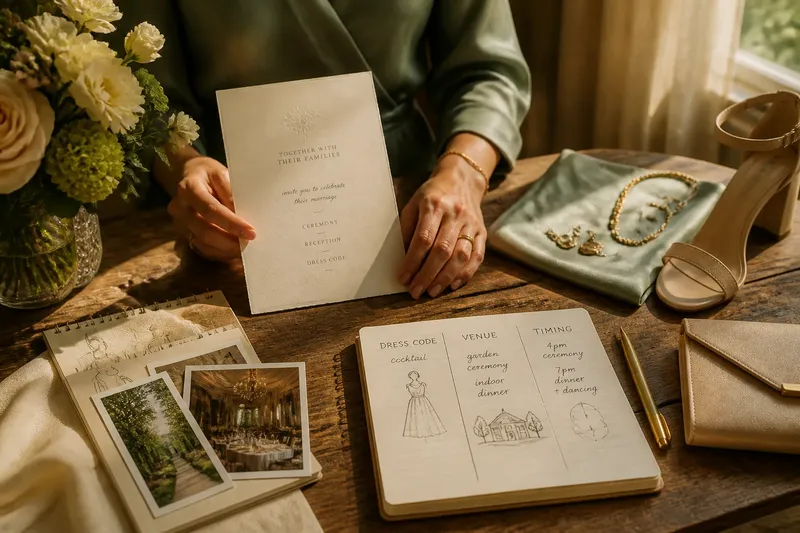
A wedding invitation dress code is only one clue to what you should wear; the venue and schedule help make it specific. Read all three before choosing an outfit, so you can match the occasion without setting aside your comfort.
Start with the couple’s wording, then use the location and timing to clarify what it means in practice. Treat each clue as a guide, not a reason to buy a whole new outfit.
How should you read a wedding invitation dress code?
Find the dress code in the invitation, its enclosure or the couple’s wedding website. Check the full phrase: “black tie”, “cocktail attire”, “smart casual” and “festive dress” suggest different levels of formality. If no dress code appears, do not assume the event is casual. Use the venue, schedule and invitation wording together.
Translate the phrase into a level of polish before choosing garments. For a formal event, consider eveningwear or a suit in a refined fabric, with neat shoes and finished accessories. Cocktail attire usually allows a polished dress, tailored separates or a suit without requiring full evening dress. Smart casual is relaxed but intentional: a crisp shirt and tailored trousers may fit better than everyday denim and trainers.
No single garment is compulsory. A jacket, dress or skirt is not the only way to look formal; choose an equivalent level of care in a silhouette and clothes that suit you.
If the wording is unfamiliar, check the wedding website for an explanation. If the phrase remains unclear, ask the organiser or couple politely what level of formality they have in mind.
What does the venue tell you about the outfit?
Read the venue description for practical clues, not just atmosphere. A ceremony in a cathedral, a reception in a hotel ballroom, a meal at a restaurant and a celebration on a lawn create different demands. Check whether the invitation names several locations: you may need to walk between surfaces or move from outdoors to indoors.
Consider the route from arrival to your seat. Gravel paths, grass, cobbles and steep steps can make narrow heels awkward. If you prefer heels, a broader heel or flats to change into may feel easier to manage. For a long walk between locations, prioritise shoes you can wear comfortably throughout.
A venue can suggest how structured or relaxed the clothing might feel, but it does not override the stated dress code. A country house does not automatically mean rustic dress, and a city venue does not automatically require black tie. Let the setting guide practical choices such as footwear, outerwear and fabric.
Say you receive an invitation to a daytime garden ceremony followed by a formal dinner indoors. You could choose a polished midi dress or tailored trousers with a refined top, then add shoes that feel stable on grass and a light jacket for the change of setting. The outfit answers both parts of the plan rather than dressing for the garden alone.
How should event timing shape your choice?
Check when the ceremony begins and whether the invitation describes a full day, an evening reception or an informal gathering afterwards. Daytime events often suit lighter colours and fabrics, while evening celebrations can accommodate deeper colours or more pronounced accessories. These are options, not rules: the dress code matters more than the clock.
Think through how long you will wear the outfit and what you will do in it. A seated ceremony followed by dinner calls for clothing that stays comfortable while sitting. A reception with dancing may favour shoes you can move in and garments that let you lift your arms without pulling or shifting. If the day includes travel or a pause between events, consider whether your outfit will remain comfortable through that transition.
Check the forecast close to the date, then plan for warmth or rain. A tailored coat, compact umbrella or light wrap can suit the occasion without changing its character. For a substantial stretch outdoors, choose layers that are easy to remove inside.
How can you choose colour, fabric and shape?
Once you understand the formality, venue and schedule, narrow your options to clothes you own or would genuinely wear again. A dress, suit, jumpsuit or coordinated separates can all work if the finish suits the occasion. Start with the garment that feels most comfortable, then build the rest of the outfit around it.
Avoid white or a shade that reads as bridal unless the couple has explicitly invited guests to wear it. If the invitation names a palette or asks guests to dress in a particular way, follow that request if you can while choosing a version that feels like you. Without colour guidance, choose a shade that suits the setting and your wardrobe rather than trying to match the wedding party.
Consider fabric in relation to the conditions. Linen can feel airy but may crease; a soft wool blend or lined dress may feel more comfortable in a cooler room. A slippery fabric may need suitable undergarments or a secure fastening, while texture can make a simple silhouette feel more dressed. Check the garment while sitting, walking and raising your arms, not only while standing in front of a mirror.
Keep accessories in proportion to the outfit and event. A neat bag that holds what you need, a jacket that works with the neckline and shoes suited to the ground can be more useful than extra decoration. If a garment needs continual adjustment, choose another option or arrange a discreet alteration or styling solution before the day.
What should you check before settling on an outfit?
Use the invitation and your planned outfit to make a decision on each point:
- Dress code: Check whether the outfit matches the stated formality. If it does, keep it; if not, change the garment or styling to make it more or less polished.
- Venue: Check whether your shoes suit the likely surfaces. If they feel unstable on grass, gravel or steps, choose another pair or bring a practical alternative.
- Timing: Check whether the outfit stays comfortable from the ceremony through the reception. If it does, wear it as planned; if not, adjust the layers or choose a more wearable piece.
- Colour request: Check the invitation for a named palette and compare it with your choice. If your colour fits, keep it; if not, choose another shade or an accessory that respects the request.
- Movement: Check whether you can sit, walk, eat and dance without pulling or slipping. If you can, keep the fit; if not, try another garment or arrange an adjustment in advance.
- Weather: Check the forecast and whether you have suitable outerwear or a rain plan. If you do, pack it; if not, add a layer or accessory that suits the outfit.
- Personal comfort: Check whether you can wear the outfit without feeling exposed, restricted or unlike yourself. If you can, set it aside ready; if not, choose a more comfortable version at the same level of polish.
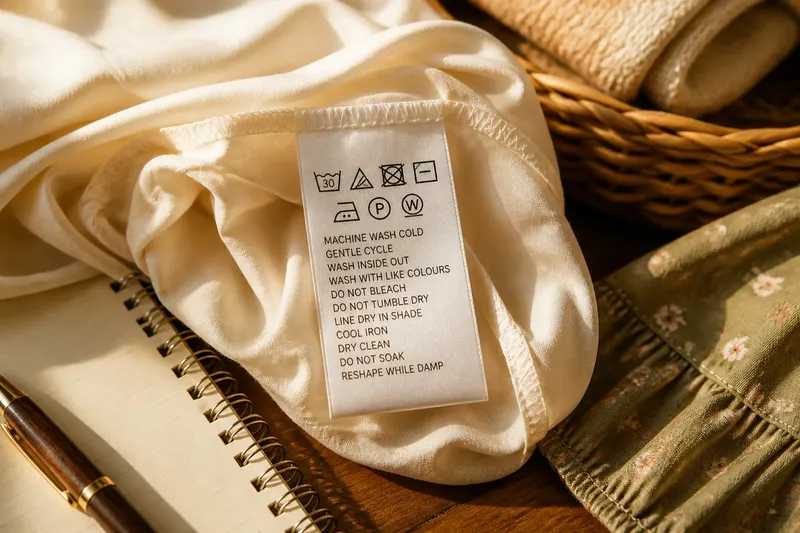
Follow garment labels and manufacturers’ instructions for care or alterations, and check local rules where they apply.
What if the dress code or colour request is unclear?
What if the invitation has no dress code?
Use the venue and schedule to infer a reasonable level of formality, then choose a neat outfit that can be adjusted with accessories. If the clues still conflict, ask the organiser or couple rather than treating the event as automatically casual.
Can you wear black to a wedding?
Black can suit many formal or evening weddings, particularly when styled for a celebration rather than a sombre occasion. Check the invitation for colour requests and consider whether the venue and time make the outfit feel appropriate.
What should you do if the invitation requests a specific colour?
Choose a shade within the requested palette if you can, but do not assume you need an exact match. If you cannot find a suitable garment, ask whether a related shade or a small accessory in the requested colour would meet the intention.
How should you ask about an unclear dress code?
Send a brief, considerate message to the couple or organiser, naming the phrase that is unclear and asking what level of formality they have in mind. Keep the question focused on what to wear, rather than asking them to choose an outfit for you.
How can you make the final decision comfortably?
Try the complete outfit together before the event, including shoes, undergarments, outerwear and the bag you plan to carry. Sit down, walk across the room, reach for a shelf and use the fastening as you normally would. This gives you a chance to notice a scratchy seam, a strap that slips or a hem that catches before you are dressing in a hurry.
If the outfit feels too formal or too relaxed, make one clear change rather than replacing everything. A jacket can sharpen separates; simpler shoes can tone down a highly decorated dress; a more refined bag can make a familiar outfit feel ready for dinner. Keep adjustments that let you move and sit comfortably.
For a wedding invitation outfit, read the dress code, interpret the venue, account for the timing, then check colour, comfort and movement. Leave the outfit ready with practical layers, and you can arrive dressed for the occasion without spending the day thinking about what you are wearing.
Keep the invitation or wedding website handy when you make your final choice. A schedule or location update may change which shoes or outer layer you need, even when the rest of the outfit is settled.